Why Your Roof Doesn't Age All at Once
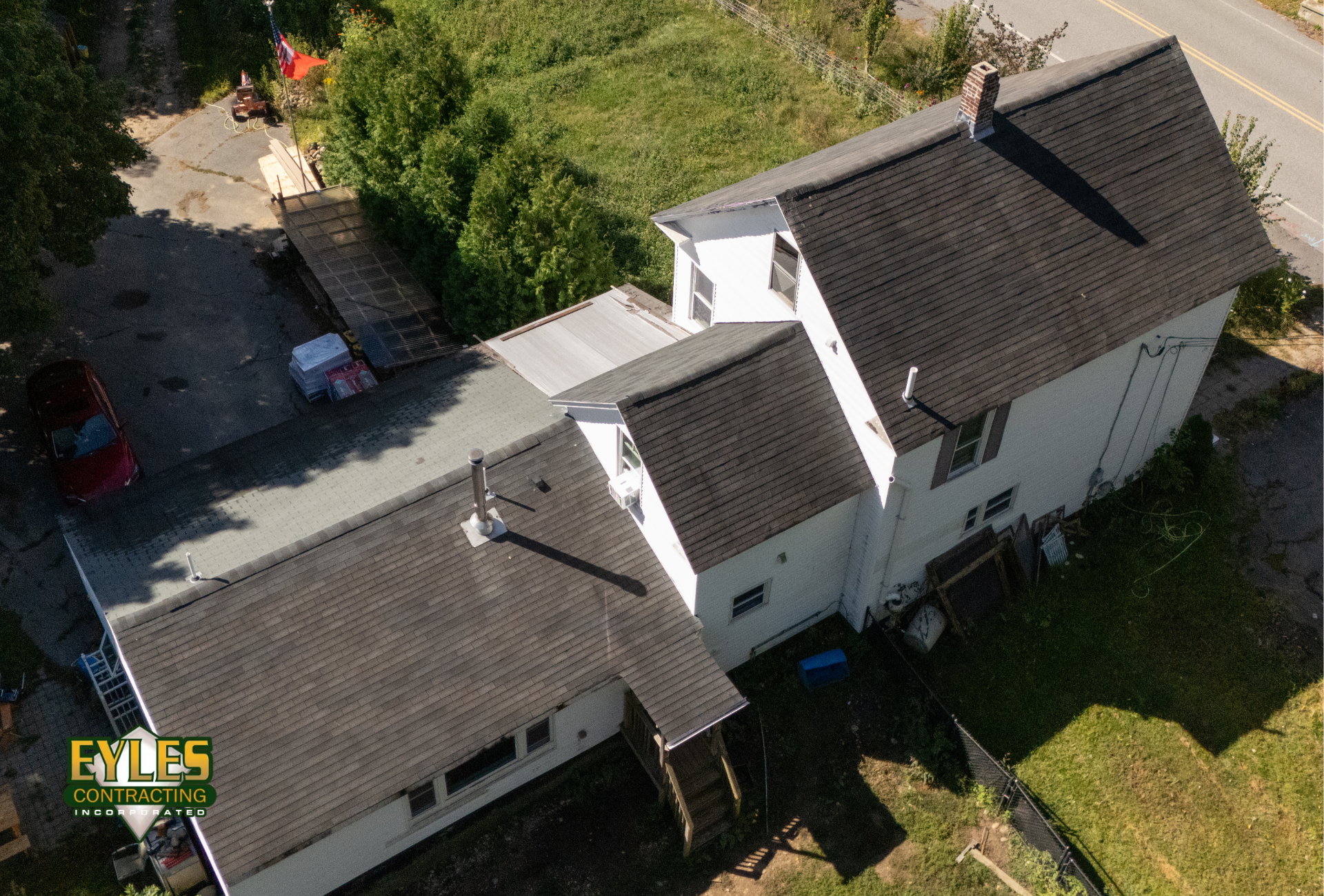
Your roof doesn’t age as one uniform surface. Sun exposure, water runoff, temperature changes, and the way different materials are installed all affect how quickly each part wears down. Knowing which parts wear out first helps you catch problems before they turn into leaks.
South and West Facing Slopes Take the Hardest Hit
The side of your roof that gets the most direct sun ages faster than the rest. In most homes, that's the south or west facing slope. UV rays break down asphalt shingles over time, drying out the oils that keep them flexible. That same slope also experiences the full impact of afternoon heat, which speeds up the wear even more. Don't be surprised if shingles on one side of your roof look noticeably more worn than the other side, even though they were installed at the same time.
Valleys Wear Out Faster Than Flat Sections
Roof valleys, where two slopes meet, handle a lot more water than the rest of your roof. Every bit of rain or melting snow funnels through them on its way to the gutters. That constant water flow wears down shingles and flashing in the valleys well before the flat sections show any signs of aging.
Flashing Fails Before the Shingles Do
Flashing is the metal material installed around chimneys, vents, skylights, and anywhere two roof surfaces meet. It's designed to keep water out of the gaps that shingles alone can't cover. Flashing often fails before the shingles around it because metal expands and contracts with temperature changes, and over the years that movement can loosen seals and create small gaps.
Edges and Eaves Take on Extra Stress
The edges of your roof, especially near the gutters, deal with more than just sun and rain.
Ice dams in the winter, debris buildup, and constant water runoff can contribute to faster wear in this area. Shingles along the eaves tend to show curling, cracking, or granule loss sooner than shingles in the middle of the roof. This is also where wood rot is most likely to start if water finds its way underneath.
What This Means for Homeowners
Because different parts of your roof age at different rates, the age of your roof is only part of the story. A roof that’s 12 years old may still have plenty of life left overall, while a worn valley, damaged flashing, or problem along the eaves may need attention much sooner.
Working with a trusted roofing contractor can make all the difference. An experienced contractor can help you understand how your roof is aging, identify areas that may need attention, and determine whether a roof repair or full roof replacement makes the most sense for your home.
At
Eyles Contracting Inc., you can feel confident knowing your roof is in experienced hands. As a
GAF Master Elite® Contractor and a
CertainTeed Select Shingle Master, Eyles Contracting Inc. has demonstrated the knowledge, training, and commitment to quality needed to help homeowners make informed decisions about their roofs.
Contact us today for a free project estimate!